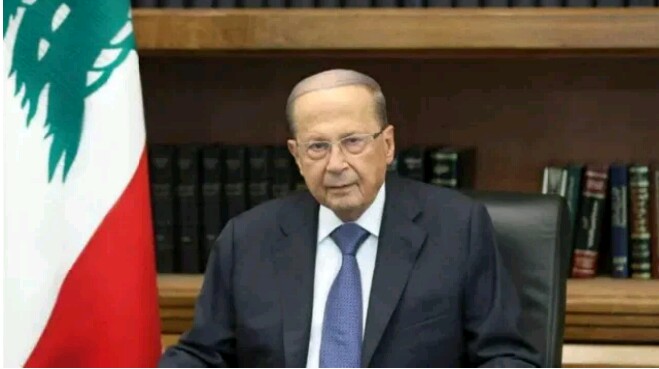
Lebanon’s president rejected any international probe into the catastrophic port blast, saying a missile or negligence could have been responsible as rescuers desperately combed the rubble for survivors.
The entrenched ruling class has come under fire once again since Tuesday’s explosion, which killed at least 154 people and devastated swathes of the capital.
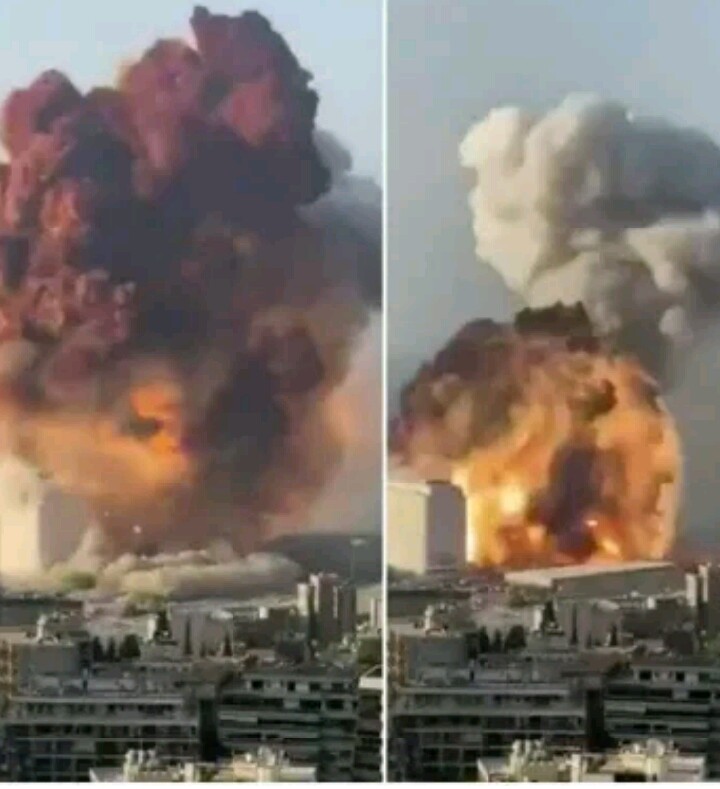
The revelation that a huge shipment of hazardous ammonium nitrate had languished for years in a warehouse in the heart of the capital served as shocking proof to many Lebanese of the rot at the core of their political system.
Even Lebanese President, Michel Aoun, admitted Friday that the “paralysed” system needed to be “reconsidered”.
“We are facing changes and reconsidering our system, which is built on consensus, after it was seen to be paralysed and incapable of swiftly executing decisions,” Aoun told reporters.
He pledged “swift justice”, but rejected widespread calls for an international probe, telling a reporter he saw it as an attempt to “dilute the truth”.
“There are two possible scenarios for what happened: it was either negligence or foreign interference through a missile or bomb,” he said, the first time a top Lebanese official raised the possibility that the port had been attacked.
International police agency Interpol on Friday said it would dispatch to Lebanon a team of experts who are specialised in identifying victims.
French President, Emmanuel Macron was the first world leader to touch down in Lebanon on Thursday, where he pressed officials to enact deep reform ahead of an aid conference planned in the coming days.
Macron spoke on Friday to US President Donald Trump, with the White House saying they would work “with international partners to provide immediate aid to the Lebanese people”.
The World Food Programme promised food to affected families and wheat imports to replace lost stocks from the port’s disembowelled silos.
The World Health Organization, meanwhile, called for $15 million to cover immediate health needs.
 Streetwisenetwork