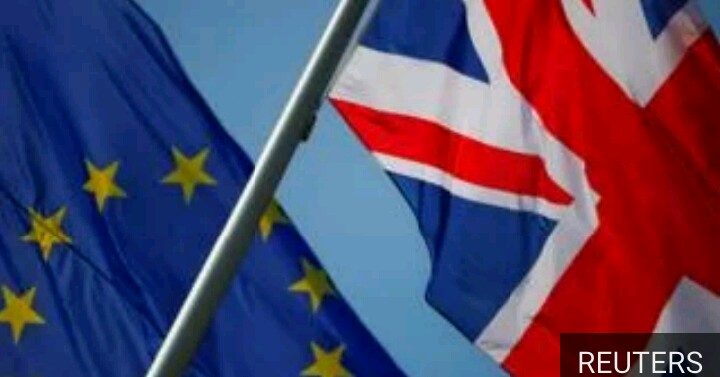
EU is demanding the UK ditches plans to change Boris Johnson’s Brexit deal “by the end of the month” or risk jeopardising trade talks.
The UK has published a bill to rewrite parts of the withdrawal agreement it signed in January.
The EU said this had “seriously damaged trust” and the EU would not be “shy” of using legal action against the UK.
But cabinet minister Michael Gove said the UK had made it “perfectly clear” it would not withdraw the bill.
The government says Parliament is sovereign and it can pass laws which breach the UK’s international treaty obligations.
Meanwhile, trade talks between UK and EU officials continue in London.
The bill proposes no new checks on goods moving from Northern Ireland to Great Britain. It gives UK ministers powers to modify or “disapply” rules relating to the movement of goods that will come into force from 1st January, if the UK and EU are unable to strike a trade deal.
The publication of the bill prompted emergency talks between Cabinet Office minister Michael Gove and Maros Šefčovič, the European Commission Vice-President.
Mr Johnson has defended the bill , saying it would “ensure the integrity of the UK internal market” and hand power to Scotland and Wales, while protecting the Northern Ireland peace process.
But critics say the move will damage the UK’s international reputation after a minister admitted the plans break international law.
Labour leader Sir Keir Starmer urged the government to consider “the reputational risk that it’s taking in the proposed way forward”.
Meanwhile, the chief negotiators from the UK and the EU, Lord David Frost and Michel Barnier, are meeting face-to-face in separate talks to help break the deadlock on negotiations for a future trade deal.
This latest round of negotiations concluded on Thursday, and the UK government has said it is prepared to walk away if progress is not made soon.
Mr Barnier said the EU had “shown flexibility” in an effort to “find solutions”, adding that the UK had “not engaged” on some “major issues”.
 Streetwisenetwork