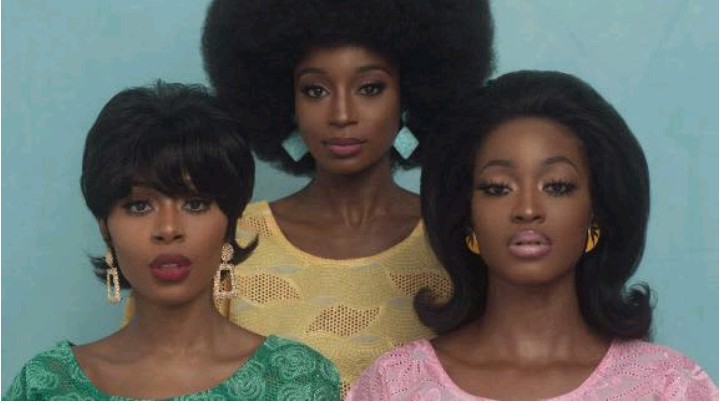
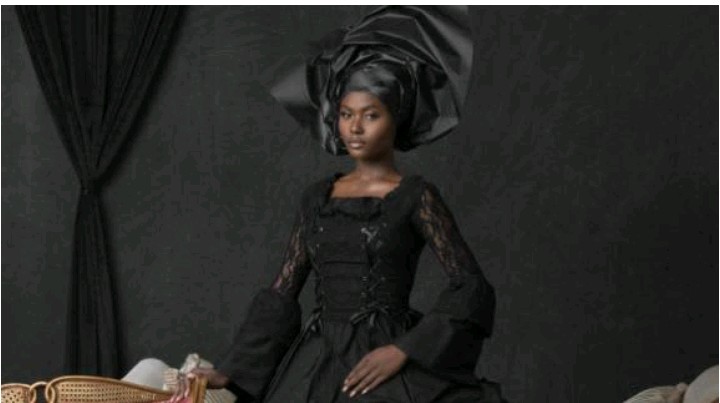
For his latest project, Nigerian photographer Oye Diran looked to his old family photos for inspiration.
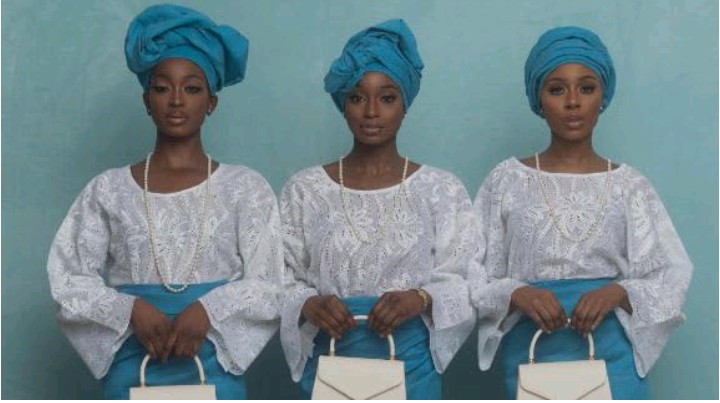
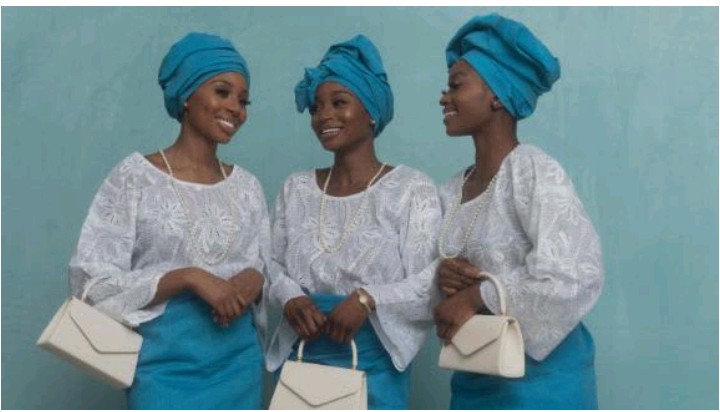
He was especially taken by the elegant clothing his parents used to wear, including his mother in classic Nigerian iro and buba style (a wrapped skirt and tailored top) — often paired with a gele (headwrap).
“I was struck by how appealing and rich these outfits looked and was reminded of how well my parents and their friends were attired when I was young,” Diran wrote over email from where he now lives in New York. “The relevance of iro and buba doesn’t dissipate over time, so I came up with this story to shed light on the beauty of my heritage to the world.”
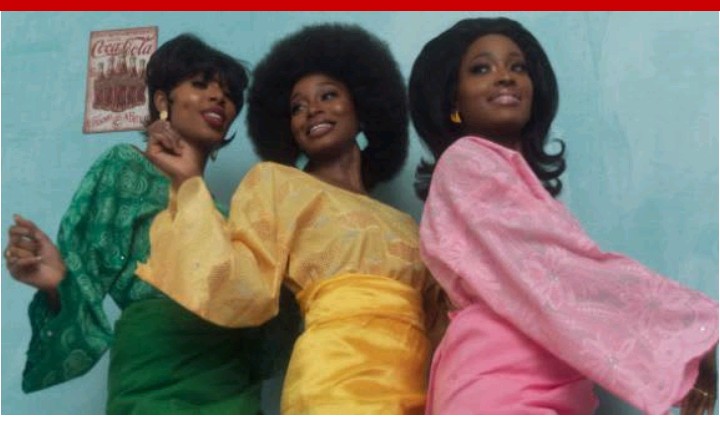
Diran went on to research more imagery from Nigeria in the 1960s to 1980s, before recreating the same vintage feeling for “A Ti De” (“We Have Arrived”), featuring portraits of three women dancing, posing and having a good time. “Yoruba people are known to find any reason to dress up and celebrate,” he said, referring to Nigeria’s second-largest ethnic group.
“Traditional weddings, for example, are an opportunity to wear your finest iro and buba, add accessories, and show out,” he said.
From the optimism that followed independence from Britain in 1960, through a devastating civil war and subsequent military coups, the period that this project draws from was a seismic and formative one for Nigeria.
This was reflected in the country’s cultural landscape and ideas around dress. While Fela Kuti incited rebellion and preached pan-Africanism, Lagos’ most stylish residents mixed up local fashion with western silhouettes. This speaks to today’s Nigerian image-makers, who draw on the past to comment on neo-colonialism and redefine black beauty, such as Lakin Ogunbanwo, Ruth Ossai and Diran.
This ties into Diran’s wider sense of duty to create images that speak to a positive, pan-African perspective.
“I want to continue to convey the essence of African or black ideologies while breaking down misconstrued narratives of these cultures,” he said. “I want to be part of the global force illuminating the culture from a diasporic perspective. And most importantly, telling the many truths that are overlooked and more often, silenced. I feel that it is our collective responsibility as African photographers to do so.”
More photos below:

 Streetwisenetwork