George Floyd’s family gather for memorial in Minneapolis: ‘The fight is not over’
- First of three memorials around the country
- Protesters also gather outside court where three officers are due
- George Floyd killing – latest US updates
- See all our George Floyd coverage
The family of George Floyd and invitees were gathering on Thursday afternoon in Minneapolis for the first of three memorial services across the country planned to mark the violent death of the 46-year-old African American man under the knee of a white police officer on 25 May.
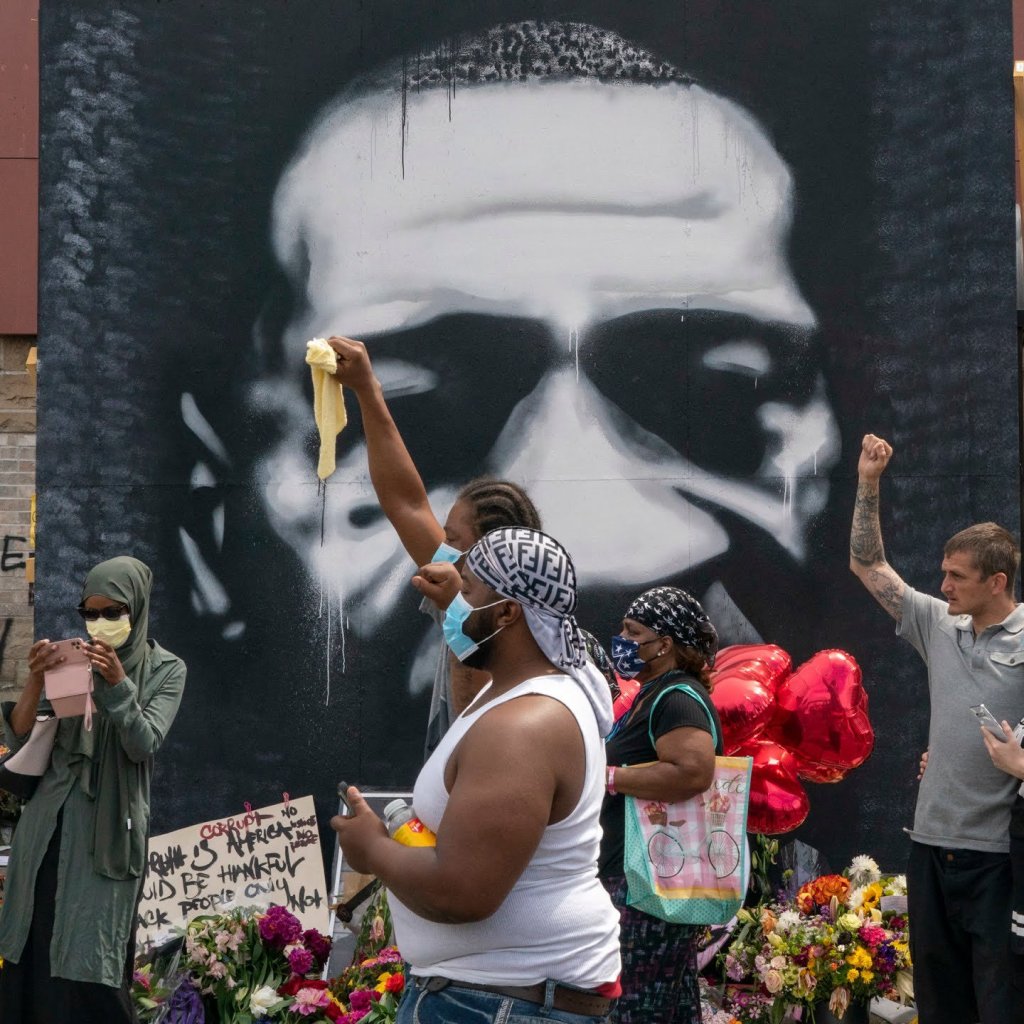
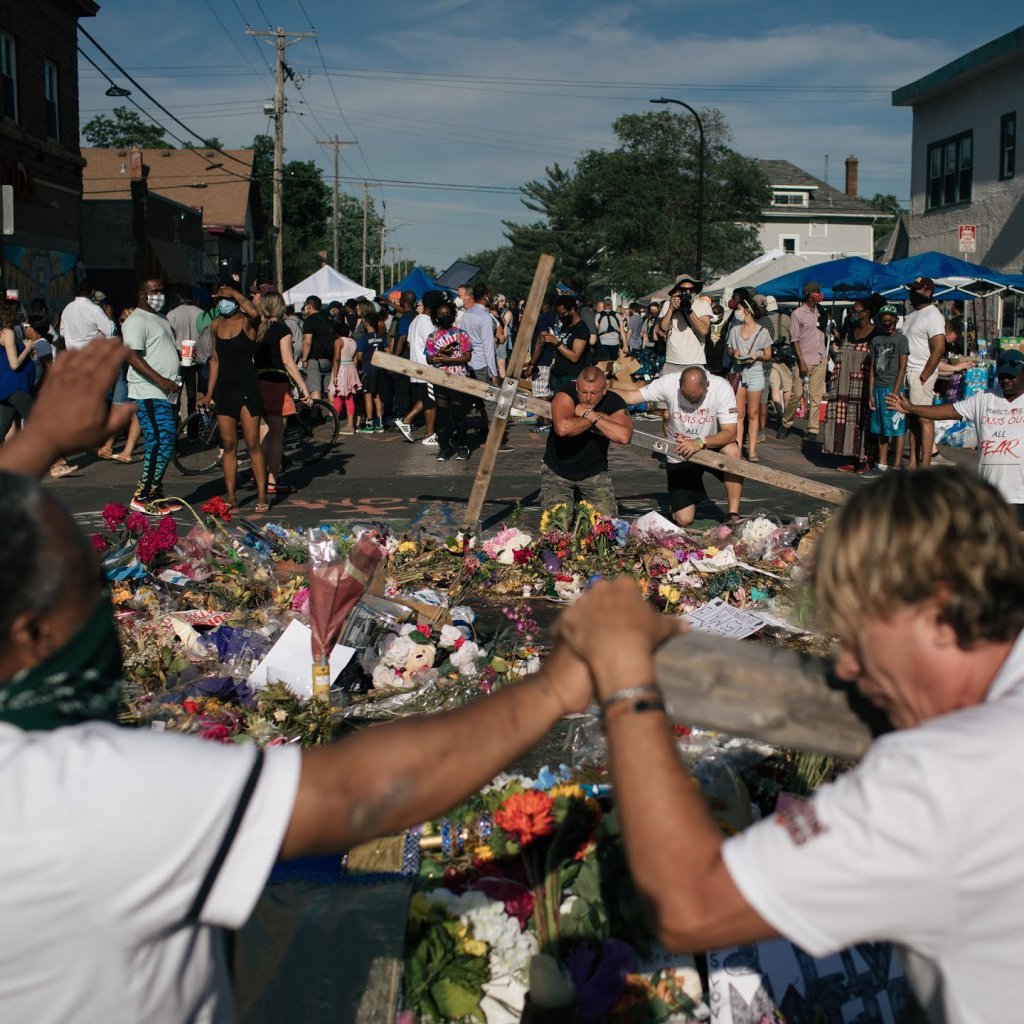
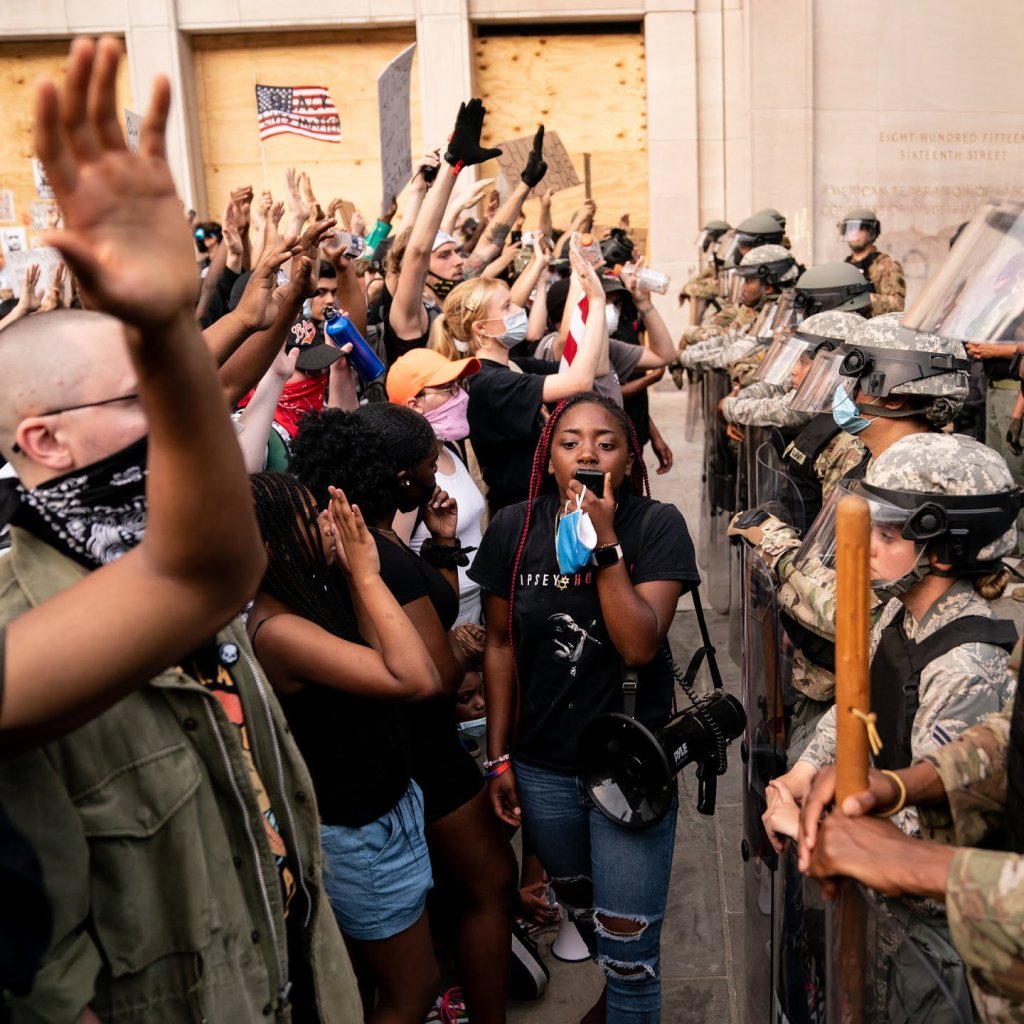
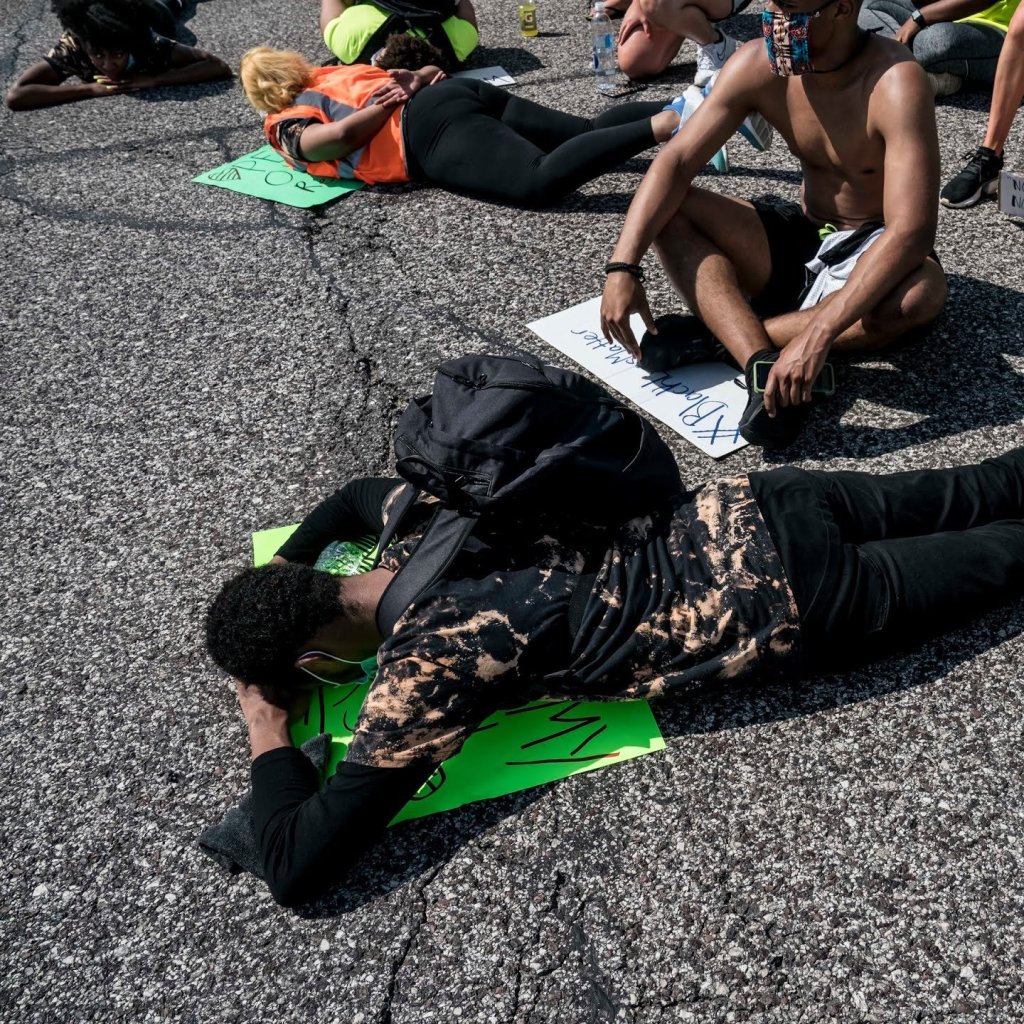
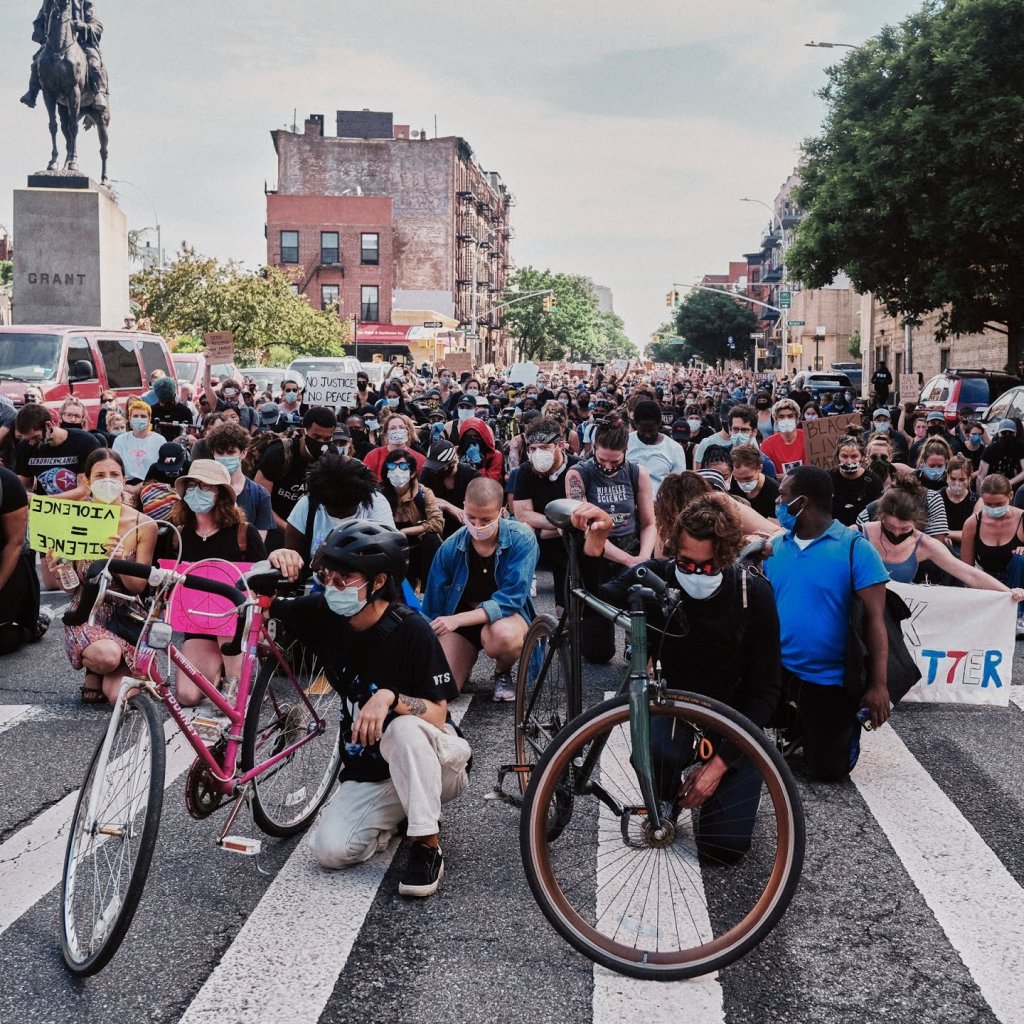
Since then crowds have gathered day and night in Minneapolis for huge protests – marred by bouts of violent unrest and looting – and to pay tribute at the site where Floyd was pinned to the street during an arrest attempt.
Protesters were also gathering outside the court house where the three officers, charged with aiding and abetting the officer who kneeled on Floyd’s neck, were due to make their first court appearance not long after the official memorial service was scheduled to begin at 1pm local time.
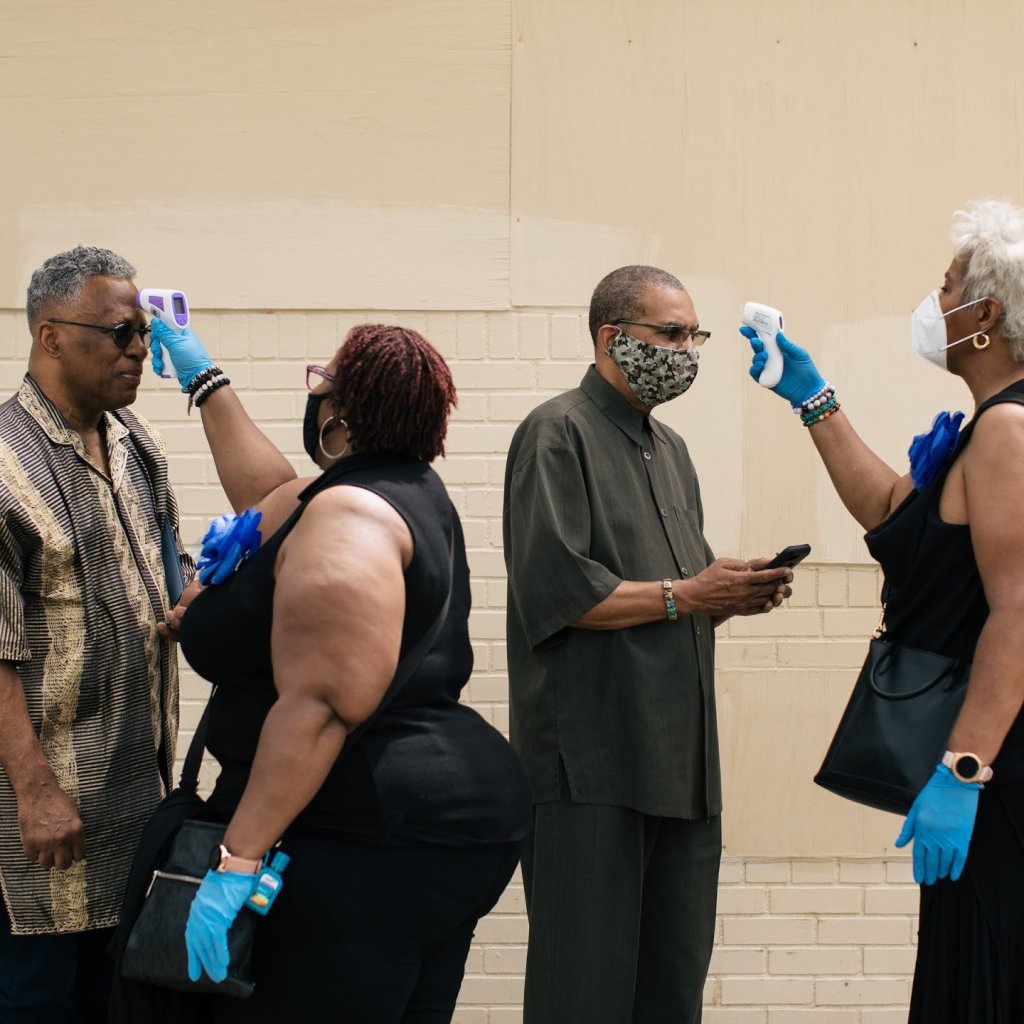
But thousands of ordinary people who joined protests over the past week to demand justice for Floyd have been asked to keep away, amid concerns about social distancing during the ongoing coronavirus pandemic.
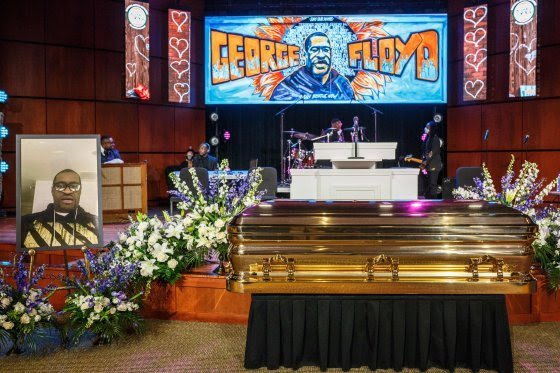
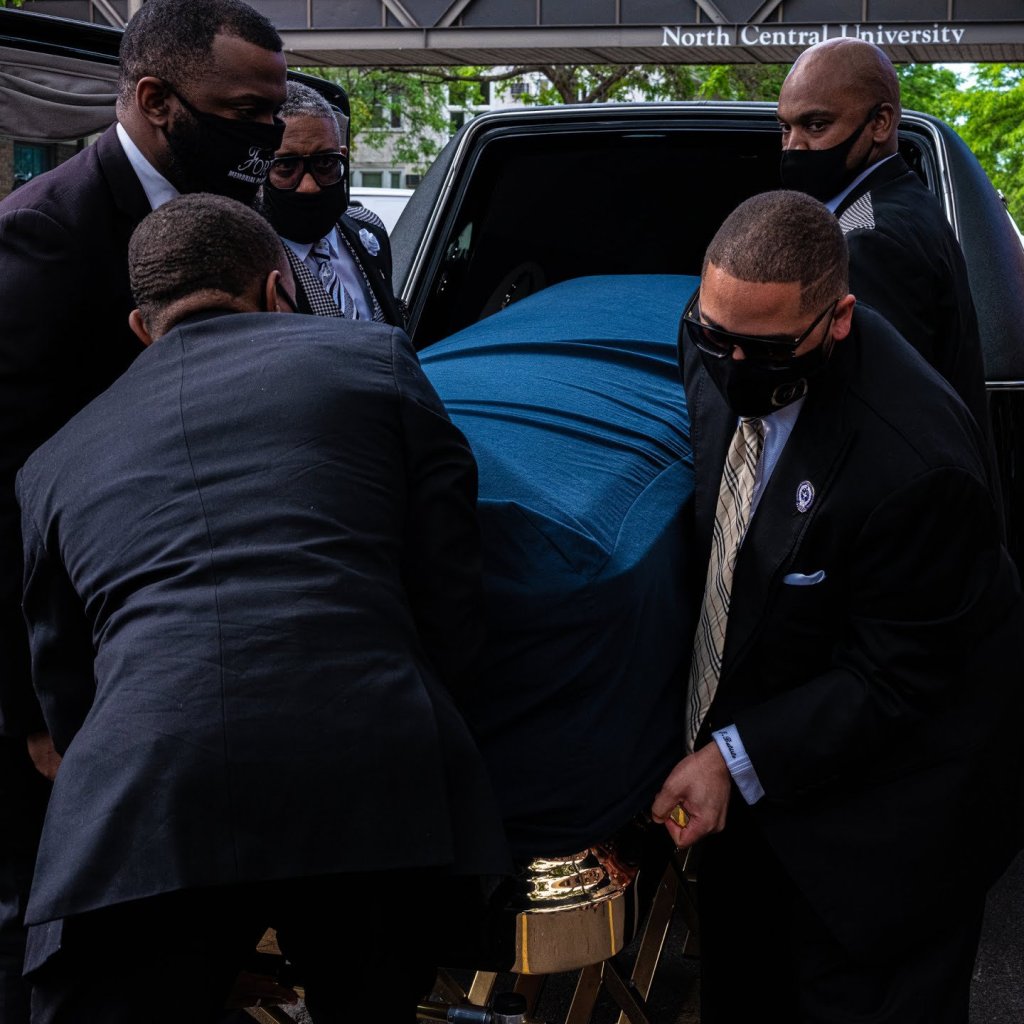
Ahead of the start of Thursday’s official memorial event, Floyd’s body lay in a golden casket surrounded by white flowers. His portrait was to one side, and a brightly lit street mural dominated the back of the auditorium at North Central University, behind the choir and band.
Floyd’s son, brother and sister were expected to be among those attending.
The eulogy is to be delivered by the civil rights activist, the Rev Al Sharpton, who is expected to call for national legislation akin to the 1964 Civil Rights Act to offer greater protections and rights for Americans in dealing with the police.
“It’s not about piecemeal,” he said. “We need fundamental federal laws.”
As he went into the service, Sharpton said he was encouraged that so many white people had been demonstrating in support of police reform on a scale not seen before.
Anthony Thornton, a 70-year-old African American computer hardware designer, arrived hours ahead of the service and was the first to set himself up in a beach chair outside.
“I have family in [Washington] DC,” he said.
“They sent me a brand new phone and said, dad, go out, bring us some videos. So I’m out here to do that and at the end of the day to say I found some peace out of all of this. There’s a lot of destruction all over town,” said Thornton adding, by the bye, that he holds the Guinness world record for longest distance a human being has walked backwards in 24 hours
Does he think that the huge protests across the country will bring about significant change?
“No I don’t. I know some form of justice will eventually happen. But it will take many years. We could have the same situation next month,” he said.
Thornton traces what he regards as police belligerence toward black communities in Minneapolis to the killing of a white officer by an African American man in 1991.
“The older vanguard of the Minneapolis police department, they are the teachers. They teach the new recruits how to hate. Things have to change with the training of new recruits. Are you going to continue to teach them that hatred?” he said.
 Streetwisenetwork