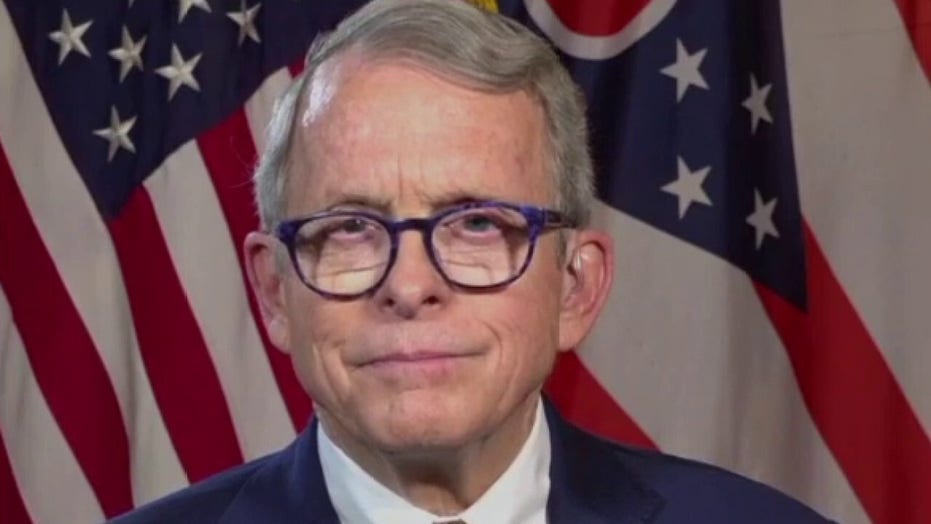
Ohio Gov. DeWine sends National Guard to prison with COVID-19 outbreak
Outbreak has killed 3 inmates; Governor Mike DeWine responds.
Ohio lawmakers, lobbyists and researchers of various political stripes are finding a common cause in prison reform.null
Bipartisan efforts to reform the troubled system have preceded the outbreak of COVID-19, but the virus has thrown the need for change into stark relief.
Across Ohio’s prison system, more than 4,300 people have tested positive for COVID-19 and at least 40 inmates and two staff members have died.

The Ohio Department of Rehabilitation and Correction (ODRC) has a current inmate population of nearly 50,000, about 10,000 above capacity. Already cramped living conditions have been exacerbated and stressed by a virus that has forced 39,000 inmates into quarantine, according to ODRC data.
“When you have organizations across the political and ideological spectrum saying, oftentimes, identical things about mass incarceration – it makes people take notice.”— Gary Daniels, ACLU of Ohio lobbyist.
The prison system has long been scrutinized by the left for its overcrowding problem. Now, with the system wracked by a deadly virus, conservative lawmakers are turning a critical eye to the status quo.
“When you have organizations across the political and ideological spectrum saying, oftentimes, identical things about mass incarceration – it makes people take notice,” said Gary Daniels, a lobbyist with the ACLU of Ohio.
Daniels said that communication and occasional collaboration between Ohio’s various think-tanks and lobbying organizations is common, but public displays of bipartisanship can turn the head of lawmakers.
Two such displays are House Bill 1 and Senate Bill 3, which would allow for intervention in lieu of conviction and reform drug sentencing laws, respectively,
The bills contain changes widely agreed upon as common-sense reforms to Ohio’s criminal justice system. Both would put fewer people behind bars for minor criminal infractions, allowing for rehabilitation and community monitoring for crimes that don’t merit incarceration.
“There’s a lot of rhetoric about what needs to be done, but you don’t see it resulting in change via the legislature.”— Gary Daniels, ACLU of Ohio lobbyist.
H.B. 1 passed the Ohio House of Representatives 91-6. S.B. 3 has yet to be voted on by the state senate.
Still, bipartisan acknowledgment of a problem doesn’t always prompt bipartisan legislative action. Solutions can languish in the statehouse for months while lawmakers debate the finer points. Sometimes party lines won’t be moved.
“There’s a disconnect there between what they’re saying oftentimes and what they do when they have a chance to do something about it,” Daniels said. “There’s a lot of rhetoric about what needs to be done, but you don’t see it resulting in change via the legislature
system stressed by COVID-19
Ohio Gov. DeWine sends National Guard to prison with COVID-19 outbreak
Outbreak has killed 3 inmates; Governor Mike DeWine responds.
Ohio lawmakers, lobbyists and researchers of various political stripes are finding a common cause in prison reform.null
Bipartisan efforts to reform the troubled system have preceded the outbreak of COVID-19, but the virus has thrown the need for change into stark relief.
Across Ohio’s prison system, more than 4,300 people have tested positive for COVID-19 and at least 40 inmates and two staff members have died.
The Ohio Department of Rehabilitation and Correction (ODRC) has a current inmate population of nearly 50,000, about 10,000 above capacity. Already cramped living conditions have been exacerbated and stressed by a virus that has forced 39,000 inmates into quarantine, according to ODRC data.
“When you have organizations across the political and ideological spectrum saying, oftentimes, identical things about mass incarceration – it makes people take notice.”— Gary Daniels, ACLU of Ohio lobbyist.
The prison system has long been scrutinized by the left for its overcrowding problem. Now, with the system wracked by a deadly virus, conservative lawmakers are turning a critical eye to the status quo.
“When you have organizations across the political and ideological spectrum saying, oftentimes, identical things about mass incarceration – it makes people take notice,” said Gary Daniels, a lobbyist with the ACLU of Ohio.
Daniels said that communication and occasional collaboration between Ohio’s various think-tanks and lobbying organizations is common, but public displays of bipartisanship can turn the head of lawmakers.
Two such displays are House Bill 1 and Senate Bill 3, which would allow for intervention in lieu of conviction and reform drug sentencing laws, respectively,
The bills contain changes widely agreed upon as common-sense reforms to Ohio’s criminal justice system. Both would put fewer people behind bars for minor criminal infractions, allowing for rehabilitation and community monitoring for crimes that don’t merit incarceration.
“There’s a lot of rhetoric about what needs to be done, but you don’t see it resulting in change via the legislature.”— Gary Daniels, ACLU of Ohio lobbyist.
H.B. 1 passed the Ohio House of Representatives 91-6. S.B. 3 has yet to be voted on by the state senate.
Still, bipartisan acknowledgment of a problem doesn’t always prompt bipartisan legislative action. Solutions can languish in the statehouse for months while lawmakers debate the finer points. Sometimes party lines won’t be moved.
“There’s a disconnect there between what they’re saying often times and what they do when they have a chance to do something about it,” Daniels said. “There’s a lot of rhetoric about what needs to be done, but you don’t see it resulting in change via the legislature
 Streetwisenetwork